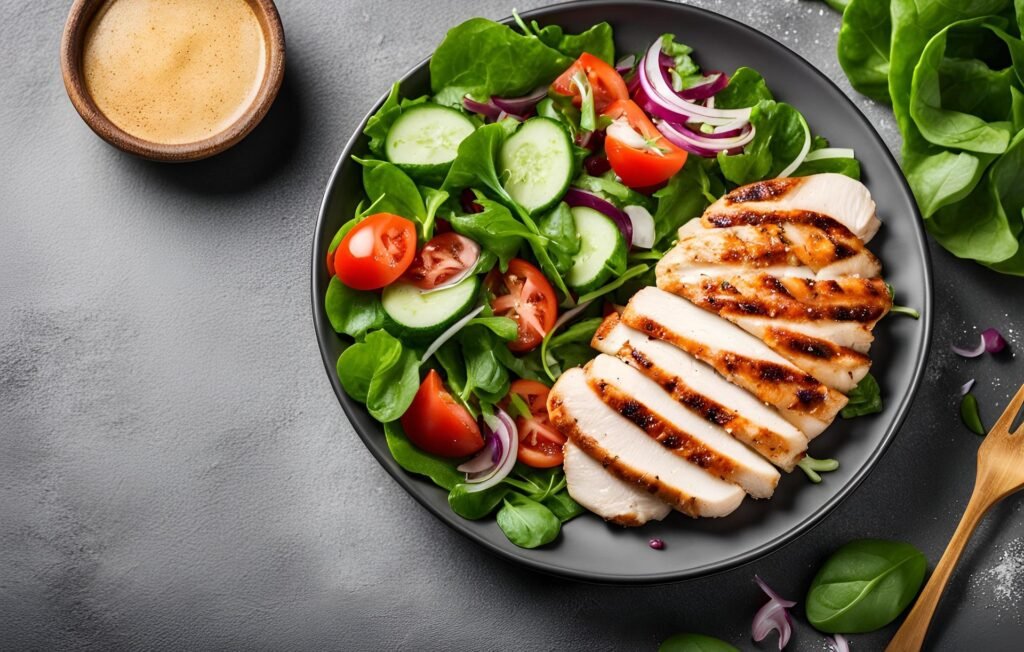
Want to lose fat without losing muscle?
A high-protein, low-carb diet does exactly that — by keeping protein high (25–35% of calories) and carbs low (20–130g/day), it shifts your body toward burning stored fat while protein keeps you full and your muscle intact.
In this guide, you’ll get the exact food list, macro breakdown, a 3-day meal plan, and answers to the most common questions — so you can start today.
What Is a High-Protein, Low-Carb Diet?
A high-protein, low-carb diet is an eating pattern that increases the proportion of protein in your daily meals while reducing carbohydrates. Instead of relying heavily on bread, rice, pasta, sugary snacks, and processed grains for energy, it prioritizes lean meats, fish, eggs, dairy, legumes, nuts, seeds, and low-carb vegetables.
Most experts consider a diet high in protein when protein contributes approximately 25–35% of total daily calories. A low-carb diet generally limits carbs to 20–130 grams a day, depending on the specific approach and your goals.
The primary objective is to encourage your body to use stored fat as fuel while preserving muscle mass through adequate protein intake.
Key Characteristics
- Higher intake of protein-rich foods
- Reduced consumption of refined carbohydrates
- Emphasis on whole, minimally processed foods
- Increased intake of healthy fats
- Focus on maintaining muscle while reducing body fat
Rather than eliminating carbs completely, many versions encourage choosing healthier sources like leafy greens, berries, legumes, and non-starchy vegetables in moderation.
How It Works
Reduced Carb Intake Encourages Fat Burning
Carbohydrates are the body’s preferred energy source. When you significantly reduce carb intake, your body gradually depletes stored glycogen and begins using stored fat for energy instead. Very low-carb diets may even trigger ketosis, a metabolic state where the liver converts fat into ketones for fuel,
though not every high-protein, low-carb diet aims for this.
Protein Increases Satiety
Protein is the most filling macronutrient. It slows digestion and stimulates fullness hormones more than carbs or fat do, which is why many people naturally eat less without consciously restricting portions. Protein-rich meals can help reduce hunger between meals, minimize cravings, and prevent overeating.
Protein Helps Preserve Muscle Mass
Weight loss often costs you both fat and muscle. Adequate protein during a calorie deficit helps protect lean tissue —
which matters because muscle supports your metabolism, strength, and healthy aging. Pairing high protein intake with resistance training amplifies this effect.
Improved Blood Sugar Stability
Cutting back on refined carbs can help minimize blood sugar spikes and crashes, which may translate to steadier energy, fewer cravings, and better appetite control. (People with insulin resistance or prediabetes should work with a healthcare provider on any carb-restriction plan
Recommended Protein and Carb Intake
| Nutrient | Recommended Intake |
| Protein | 25–35% of daily calories or about 1.2–2.0 grams per kilogram of body weight |
| Carbohydrates | 50–130 grams daily for most low-carb diets |
| Fat | The remaining daily calories should come from healthy fats |
Protein by goal
Weight loss:
1.2–1.6g per kg of body weight/day
Muscle Building
1.6–2.2g per kg of body weight/day (for those strength training)
General Health
at least 0.8g per kg/day, though slightly more may improve satiety and muscle maintenance
Choosing Healthy Carbs
Prioritize broccoli, spinach, kale, bell peppers, cauliflower, mushrooms, berries, and portion-controlled lentils or chickpeas. Limit added sugars and refined starches like white bread, pastries, and sugary drinks.
Different Types of High-Protein, Low-Carb Diets
1.Ketogenic Diet
The ketogenic diet is one of the strictest low-carb approaches.
Typical macronutrient distribution:
- 70–75% fat
- 20–25% protein
- 5–10% carbohydrates
Carbohydrate intake is generally limited to 20–50 grams daily, encouraging the body to enter ketosis.
Common foods include:
- Eggs
- Meat
- Fish
- Cheese
- Avocados
- Olive oil
- Nuts
- Low-carb vegetables
Best For
People seeking rapid fat loss or managing certain medical conditions under professional supervision.
2.Atkins Diet
The Atkins Diet starts with very low carbohydrate intake and gradually increases carbohydrates through different phases.
It focuses on:
- Lean meats
- Seafood
- Eggs
- Cheese
- Healthy fats
- Non-starchy vegetables
As the diet progresses, fruits, whole grains, and legumes are slowly reintroduced.
Best For
Individuals who prefer a structured, phased approach to reducing carbohydrates.
3.Paleo Diet
The Paleo Diet is based on foods believed to have been eaten by early humans.
Allowed foods include:
- Lean meat
- Fish
- Eggs
- Fruits
- Vegetables
- Seeds
- Nuts
It excludes:
- Refined sugar
- Dairy
- Legumes
- Most processed foods
- Grains
Although not always extremely low in carbohydrates, Paleo diets are often naturally lower in carbs than the standard Western diet.
4. Modified Low-Carb Diet
Many people follow a flexible version rather than a strict dietary plan.
This approach focuses on:
- Eating more protein
- Reducing refined carbohydrates
- Including healthy fats
- Choosing whole foods
- Maintaining long-term sustainability
This style is often easier to follow because it allows moderate amounts of healthy carbohydrates while still supporting weight management goals.
Health Benefits of Low Carb-High Protein
– Supports weight loss — protein increases fullness and reduces hunger hormones; cutting refined carbs helps limit blood sugar swings that trigger cravings.
– Preserves lean muscle mass — especially when paired with resistance training.
– Helps control blood sugar— may improve insulin sensitivity and reduce post-meal spikes (talk to your doctor if you’re on diabetes medication before changing your diet).
– Improves satiety and reduces hunger — fewer snacks, less late-night cravings, easier portion control.
– May support heart health—when built on lean proteins, healthy fats, vegetables, and minimally processed foods; can support better triglyceride and HDL cholesterol levels.
Potential Risks and Side Effects
Short-term side effects:
Many people experience temporary symptoms when they first reduce their carbohydrate intake. This happens because the body shifts from using carbohydrates as its primary fuel source to relying more on stored fat for energy.
Common short-term side effects include:
- Headaches
- Fatigue
- Brain fog
- Irritability
- Dizziness
- Constipation
- Muscle cramps
- Bad breath
These symptoms, often referred to as the “low-carb flu” or “keto flu,” usually improve within a few days to a week. Staying hydrated, consuming enough electrolytes, and gradually reducing carbohydrates may help ease the transition
Nutrient deficiencies:
Restricting carbohydrate-rich foods can unintentionally reduce your intake of important nutrients, particularly if you eliminate fruits, whole grains, and legumes entirely.
Potential nutrient deficiencies include:
- Dietary fiber
- Vitamin C
- Magnesium
- Potassium
- Folate
To minimize this risk, include a variety of low-carb vegetables, nuts, seeds, and berries in your diet.
Digestive issues:
Many high-carb foods are excellent sources of dietary fiber. Eating too few fiber-rich foods may lead to constipation and poor digestive health.
Increase your fiber intake by choosing:
- Broccoli
- Spinach
- Cauliflower
- Chia seeds
- Flaxseeds
- Avocados
Drinking enough water also supports healthy digestion.
Kidney concerns:
Healthy kidneys can generally handle a higher protein intake without problems. However, people with chronic kidney disease or impaired kidney function should consult a healthcare provider before increasing protein consumption.
For these individuals, excessive protein intake may place additional strain on the kidneys.
Heart health considerations:
A high-protein diet is only as healthy as the foods you choose. Relying heavily on processed meats such as bacon, sausages, and hot dogs may increase saturated fat and sodium intake, potentially affecting cardiovascular health.
Instead, prioritize healthier protein sources such as:
- Fish
- Skinless poultry
- Eggs
- Greek yogurt
- Beans (in moderation)
- Tofu
- Lentils
- Lean cuts of meat
Is too much protein harmful?
Many people worry that eating large amounts of protein may damage healthy kidneys or weaken bones. Current research suggests that higher protein intake is generally safe for healthy adults when consumed as part of a balanced diet.
However, consistently eating excessive amounts of protein while neglecting vegetables, healthy fats, and other nutrient-rich foods may create nutritional imbalances.
The key is moderation and variety rather than simply maximizing protein intake.
Disclaimer: This post is for informational purposes only and isn’t medical advice. Talk to a doctor or registered dietitian before making major changes to your diet, especially if you have a health condition or take medication.