Menopause is a natural stage of life that typically occurs between the ages of 45 and 55, although the timing varies from person to person. As estrogen levels decline, some women experience symptoms such as hot flashes, night sweats, sleep changes, mood changes, and shifts in body composition. Menopause is also an important time to pay attention to long-term health, particularly bone, heart, digestive, and metabolic health.
When looking for the best food for menopause, focus on nutrient-rich whole foods that support bone, heart, digestive, and overall health. Healthy seeds are a simple addition to a menopause-friendly diet, with flaxseeds, chia seeds, pumpkin seeds, sunflower seeds, and sesame seeds offering fiber, healthy fats, plant-based protein, calcium, magnesium, zinc, vitamin E, and other important nutrients. Add them to oatmeal, yogurt, smoothies, salads, soups, or snacks as part of a balanced diet. While seeds cannot treat menopause symptoms, they can help increase the overall nutritional quality of your meals during this stage of life.
A balanced, nutrient-rich diet can support overall well-being during this transition. Seeds are an easy way to add fiber, plant-based protein, healthy fats, minerals, and antioxidants to everyday meals.
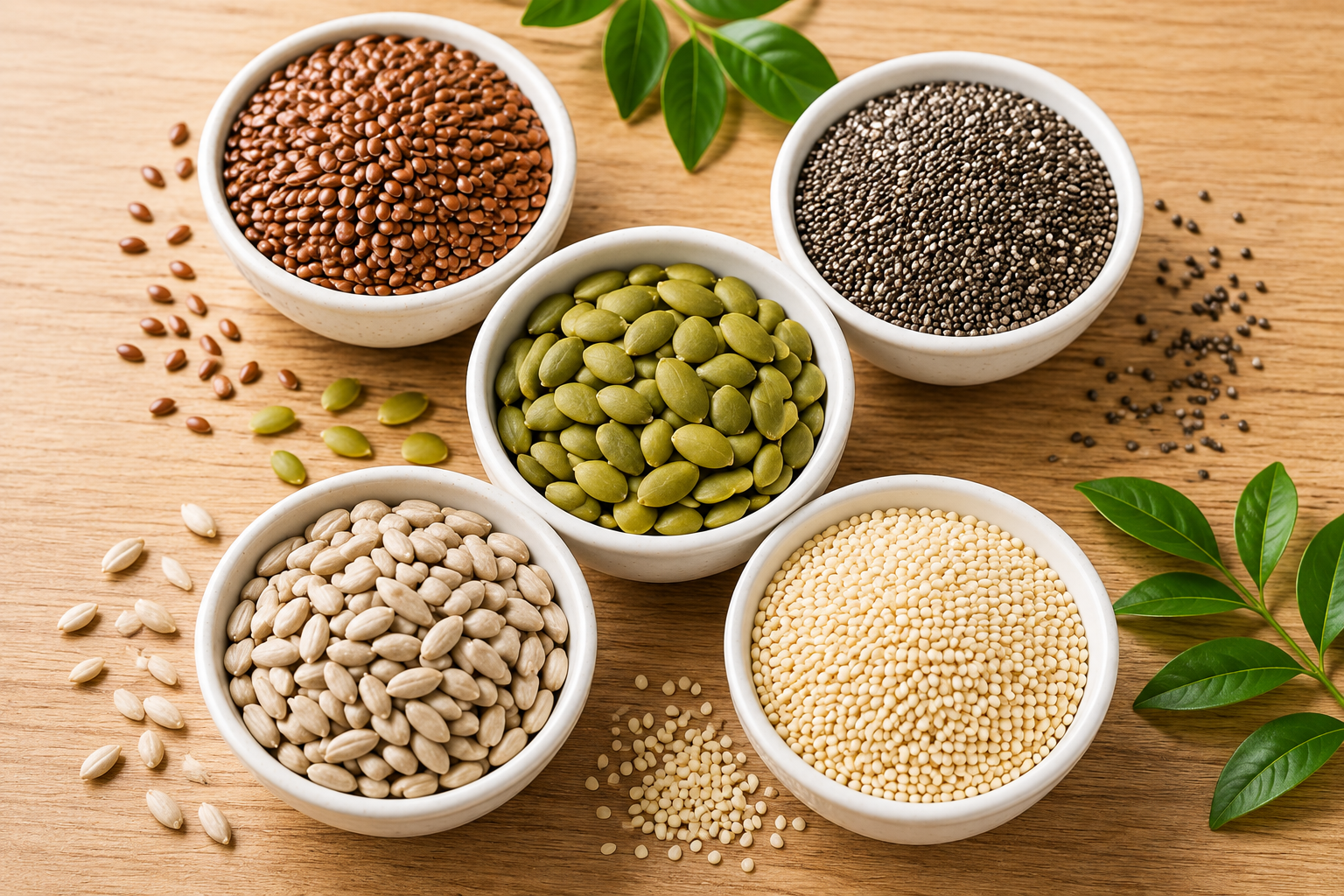
Among the best seeds for menopause are flaxseeds, chia seeds, pumpkin seeds, sunflower seeds, and sesame seeds. Each offers a different combination of nutrients that can complement a healthy menopause-friendly eating pattern.
Important: Seeds are nutritious foods, but they are not a treatment or cure for menopause symptoms. If symptoms are severe or affecting your quality of life, speak with a healthcare professional about evidence-based treatment options.
Why Nutrition Matters During Menopause
The hormonal changes associated with menopause can affect more than menstrual cycles. Lower estrogen levels are associated with changes in bone health and body composition and may also influence cardiovascular and metabolic health.
This makes a nutrient-dense eating pattern especially valuable. Foods rich in fiber, protein, unsaturated fats, calcium, magnesium, and other micronutrients can help support overall health.
Seeds can contribute to this pattern because they are small, versatile, and nutrient-dense. They can be added to breakfast, salads, soups, smoothies, yogurt, and baked foods without requiring major changes to your diet.
1. Flaxseeds: A Source of Lignans, Fiber and Plant-Based Omega-3s
Flaxseeds are one of the most popular seeds associated with menopause nutrition. They contain lignans, naturally occurring plant compounds with phytoestrogen activity, as well as fiber and alpha-linolenic acid (ALA), a plant-based omega-3 fatty acid.
Flaxseed is sometimes promoted specifically for reducing hot flashes. However, research on whether flaxseed consistently improves menopausal symptoms has produced mixed results. It is better viewed as a nutritious addition to the overall diet rather than a proven treatment for hot flashes.
Potential benefits of flaxseeds
- Provides dietary fiber to support digestive health
- Supplies plant-based omega-3 ALA
- Contains lignans and other plant compounds
- Can contribute to a heart-healthy eating pattern
- May help increase dietary fiber intake
How to eat flaxseeds
Ground flaxseed is generally easier to incorporate into meals than whole flaxseed.
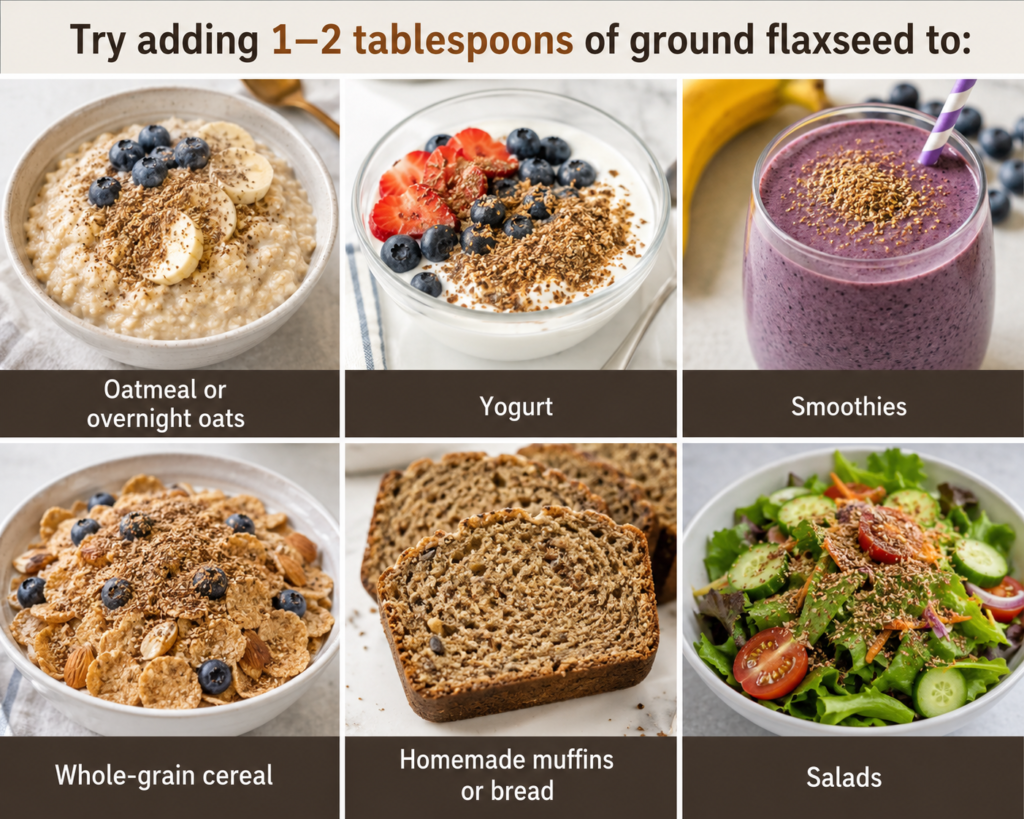
- Oatmeal or overnight oats
- Yogurt
- Smoothies
- Whole-grain cereal
- Homemade muffins or bread
- Salads
Store ground flaxseed appropriately according to the package instructions, as its oils can become rancid over time.
2. Chia Seeds: Fiber and Calcium in a Tiny Package
Chia seeds are especially useful for women looking to increase their intake of fiber, calcium, magnesium, and plant-based omega-3 ALA.
Fiber supports digestive health and can contribute to feelings of fullness. Calcium is also important during and after menopause because maintaining adequate calcium intake is one part of supporting bone health.
Potential benefits of chia seeds
- High in dietary fiber
- Provides plant-based omega-3 ALA
- Contains calcium and magnesium
- Adds plant-based protein to meals
- Can help increase the nutrient density of breakfast and snacks
How to eat chia seeds
Chia eeds are incredibly versatile. You can:
- Stir them into yogurt
- Add them to smoothies
- Make chia pudding
- Sprinkle them over oatmeal
- Mix them into overnight oats
- Add them to homemade granola
Because chia seeds absorb liquid and swell, drink enough fluids and introduce larger amounts gradually if your usual diet is low in fiber
3. Pumpkin Seeds: Rich in Magnesium, Protein and Zinc
Pumpkin seeds, also called pepitas when sold without the shell, are a convenient source of magnesium, zinc, protein, unsaturated fats, and other nutrients.
Magnesium is involved in hundreds of processes in the body, including normal muscle and nerve function. Pumpkin seeds can therefore be a useful part of an overall nutrient-rich diet during menopause.
However, it is important not to overstate their effect on menopause-related anxiety or mood. Eating pumpkin seeds alone has not been established as a treatment for these symptoms.
Potential benefits of pumpkin seeds
- Provides magnesium
- Contains plant-based protein
- Supplies zinc and other minerals
- Provides unsaturated fats
- Makes a satisfying addition to meals and snack
How to eat pumpkin seeds
Enjoy them:
- As a simple snack
- Over salads
- On soups
- Mixed into oatmeal
- In homemade trail mix
- Sprinkled over roasted vegetables
- Added to grain bowls
Choose unsalted or lightly salted varieties when possible, particularly if you are trying to limit sodium.
4. Sunflower Seeds: A Convenient Source of Vitamin E
Sunflower seeds provide vitamin E, healthy unsaturated fats, protein, magnesium, and selenium. Vitamin E acts as an antioxidant and plays an important role in protecting cells from oxidative damage.
Sunflower seeds can be particularly convenient when you want a nutrient-dense snack that requires little preparation.
Potential benefits of sunflower seeds
- Provides vitamin E
- Contains healthy unsaturated fats
- Supplies protein and magnesium
- Contributes selenium to the diet
- Adds crunch and flavor to meals
How to eat sunflower seeds
Try adding sunflower seeds to:
- Salads
- Yogurt
- Oatmeal
- Homemade granola
- Whole-grain bread
- Vegetable dishes
- Trail mix
As with other seeds, portion size matters because seeds are relatively calorie-dense.
5. Sesame Seeds: Calcium, Healthy Fats and Plant Compounds
Sesame seeds provide healthy fats, protein, fiber, calcium, magnesium, and other minerals. Tahini, a paste made from sesame seeds, is another easy way to include sesame in your diet.
Calcium is particularly important for maintaining bone health. However, the amount of calcium you obtain from sesame seeds depends on the portion and the specific product. Some tahini and sesame products vary considerably in their nutritional content.
Potential benefits of sesame seeds
- Provides calcium and magnesium
- Contains healthy unsaturated fats
- Supplies plant-based protein
- Contains fiber and various plant compounds
- Can add flavor and texture to meals
How to eat sesame seeds
Try:
- Tahini-based salad dressings
- Sesame seeds on vegetables
- Sesame sprinkled over salads
- Tahini with whole-grain toast
- Sesame added to stir-fries
- Homemade hummus or dips
Top Seeds for Menopause and Their Key Benefits
| Seed | Key Nutrients | Easy Ways to Use |
| Flaxseed | Fiber, ALA omega-3, lignans | Oatmeal, smoothies, yogurt |
| Chia seeds | Fiber, calcium, ALA omega-3 | Chia pudding, yogurt, oats |
| Pumpkin seeds | Magnesium, protein, zinc | Snacks, salads, soups |
| Sunflower seeds | Vitamin E, magnesium, healthy fats | Salads, yogurt, trail mix |
| Sesame seeds | Calcium, magnesium, healthy fats | Tahini, salads, stir-fries |
How Many Seeds Should You Eat During Menopause?
There is no single recommended daily amount of seeds specifically for menopause.
A practical approach is to use small portions as part of a varied diet. For example, you might add a tablespoon of ground flaxseed or chia seeds to breakfast and use a small handful of pumpkin or sunflower seeds as a snack.
You do not need to eat all five types every day. Variety is more important than focusing on one particular seed.
Remember that seeds are nutrient-dense and relatively high in calories, so portion sizes can matter if weight management is one of your goals.
Easy Ways to Add Seeds to Your Daily Diet
Adding seeds to meals does not have to be complicated.
Breakfast
Add ground flaxseed or chia seeds to oatmeal, yogurt, or overnight oats. You can also combine several seeds with fruit and plain yogurt for a filling breakfast.
Smoothies
Blend chia or ground flaxseed into a smoothie. Pair them with fruit, leafy greens, yogurt or another protein source.
Salads
Top salads with pumpkin, sunflower, sesame, or flaxseed for extra texture and nutrients.
Soups
Sprinkle pumpkin or sunflower seeds over soups just before serving.
Snacks
Make a simple seed mix using pumpkin and sunflower seeds. Pairing seeds with fruit or unsweetened yogurt can create a more balanced snack.
Baking
Add ground flaxseed, chia seeds, or sunflower seeds to homemade whole-grain breads and muffins.
Tahini-Based Dressings
Combine tahini with lemon juice, water, garlic, and herbs to make a flavorful dressing for vegetables, salads, or grain bowls.
Adding healthy seeds to your diet can be a simple way to improve your overall nutrition during menopause. Flaxseeds, chia seeds, pumpkin seeds, sunflower seeds, and sesame seeds provide important nutrients such as fiber, healthy fats, protein, magnesium, calcium, zinc, and vitamin E.
While no single food can prevent or treat menopause symptoms, these nutrient-dense seeds can complement a balanced diet and support areas of health that become especially important during and after menopause.